Dry brushing does three things well: it buffs away dead skin cells, leaves your legs and arms smoother to the touch, and helps lotion and self-tanner absorb evenly. It will not permanently reduce cellulite, and it doesn't detox anything. Skin doesn't work that way.
What's left is still worth your five minutes. A short pass with the right brush before your shower is one of the simplest physical exfoliation habits you can build, and it fits alongside an exfoliating routine.

What Dry Brushing Actually Does
Dry brushing is exactly what it sounds like: sweeping a stiff- or soft-bristled body brush over bare, dry skin, usually right before a shower. No water, no product beforehand. The bristles do all the work.
Three claims travel together, and they don't deserve equal weight. Mechanical exfoliation is established: the bristles lift dead skin cells the way a scrub or a washcloth would. The short-lived flush is real too. Friction pulls blood flow to the surface, so skin looks warmer and plumper for a few hours.
The third claim has no basis. Your skin cannot flush out waste; your liver and kidneys handle elimination, and a brush on your legs doesn't change that. Reviews of the research find little scientific evidence for the bigger claims, even though brushing is low risk for most people.
Benefits Worth Expecting (and What Dry Brushing Won't Do)
The realistic outcomes carry the habit on their own. Consistent brushing smooths rough texture on legs and arms, softens flaky patches, and preps skin so body lotion and self-tanner glide on evenly instead of grabbing at dry spots.
Cleveland Clinic dermatologists confirm the mechanism: sweeping away that outer layer of dead skin leaves the surface smoother, softer, and temporarily brighter. The effect is the same category as any good physical exfoliant, delivered with bristles instead of scrub particles.
Then there's the feel of it. A few minutes with a body brush works like a light massage, and the tingling, wide-awake feeling is reason enough for many people to keep the habit. If a cold shower is too much commitment, this is the gentler version of the same morning reset.
The single most useful thing to know is that the plumping effect is temporary. The flush fades within hours, not weeks.
So the honest framing is exfoliation plus massage. Judged as that, dry brushing performs. Judged as a medical intervention, it was never going to.
Dry Brushing and Cellulite
There is no scientific evidence that dry brushing reduces cellulite. What you see after a session is temporary plumping from increased blood circulation, and it settles back down within hours.
The reason is structural. Cellulite's dimpled look comes from fibrous bands anchoring skin to the tissue underneath while fat presses up between them. A brush works on the surface. It can change how the surface looks for a few hours, and the structure underneath stays put.
That also explains most before-and-after photos. Post-brush redness, warm lighting, and a shot taken minutes after brushing will flatter anyone's skin. If smoother-looking legs for an evening out is the goal, brush beforehand and enjoy it. Go in expecting a few hours of payoff and you won't be disappointed.
Dry Brushing, Keratosis Pilaris, and Ingrown Hairs
Gentle exfoliation has a real role here. Those rough bumps on the backs of arms and thighs, often keratosis pilaris, form when dead skin plugs hair follicles. Light brushing helps loosen that buildup, and the same logic applies to skin prone to ingrown hairs.
The catch is pressure. The American Academy of Dermatology notes that dead cells can be sloughed off gently, while scrubbing irritates skin and makes KP worse. Hard, fast strokes trade a few loosened plugs for inflammation that deepens the bumps you were trying to smooth.
The practical translation: soft bristles, feather-light pressure, no more than twice a week over bumpy areas. If a patch is actively flared, red, or inflamed, skip it entirely until it calms down. Brushing over angry follicles never improves them.
How to Dry Brush, Step by Step
The whole routine takes 3 to 5 minutes, and the order matters more than the effort. Here's the full pass, start to finish.
-
Start dry. Dry skin, dry brush, nothing applied beforehand. Stand in the shower or on a towel so the loosened flakes have somewhere to land.
-
Begin at your feet and ankles. Use light, short strokes, always moving upward toward the heart. Two to four passes per area is plenty.
-
Work up your legs. Long upward strokes over calves and thighs, with shorter overlapping strokes around the knees.
-
Brush your arms from wrist toward shoulder. Same light pressure, same two to four passes.
-
On your torso, stroke upward and inward. Switch to gentle circular motions over your stomach.
-
Ease up on sensitive zones. Chest, neck, and inner thighs get the lightest touch. Skip broken skin, sunburn, rashes, active acne, and varicose veins altogether.
-
Check your skin, not the clock. A light pink flush means you're done. Stinging, scratch marks, or redness that lingers mean you pressed too hard.
After brushing, shower to rinse off everything you loosened, then moisturize while your skin is still damp. Lotion and body oil lock in better on damp skin, and freshly exfoliated skin absorbs them more evenly than it did an hour earlier.
Before or After the Shower?
Before, always, on fully dry skin. On wet skin the bristles slide instead of gripping, which turns real exfoliation into a vague rubdown. Brushing wet defeats the point of the tool.

This is also where two different tools get confused. A dry brush is built for bare skin before you turn the water on. An in-shower exfoliator like our African Net Sponge is built for wet skin and body wash, stretching to scrub your back mid-lather.
Both exfoliate, at different points in the routine and with different results. Pick based on whether you want the pre-shower dry pass or the soap-and-water scrub, and don't expect one to behave like the other.
How Often to Dry Brush
For most skin, 2 to 3 times a week is the sweet spot. Sensitive or dry-prone skin does better with once a week. Daily brushing works only if your skin tolerates it with zero lingering redness, and most skin eventually asks for a rest day.
Your skin will tell you when to scale back. Stinging during the pass, redness that outlasts the hour, tightness, new breakouts, or fine scratch marks all mean you're brushing too often or too hard. Drop to once a week and rebuild from there.
Season matters too. Winter skin flakes more and often welcomes an extra weekly pass, while summer skin that's seen real sun needs gentler treatment. Never brush over a sunburn, even a mild one.
Choosing a Body Brush
Bristle material sets the intensity. Natural boar and sisal bristles are the stiffest and most aggressive, which suits thicker skin and stubborn texture but overwhelms sensitive areas. Vegan synthetic bristles vary widely, and the soft, dense synthetic category is the gentlest, the right starting point for beginners and sensitive skin.
Density matters more than material. Sparse bristles concentrate all the pressure into scratchy points, while densely packed bristles spread that same pressure across hundreds of contact points. A soft but dense brush exfoliates without the raked feeling, so density is the spec to check first.
Our Exfoliating Body Dry Brush sits in that soft, dense, vegan category, with silicone bristles that rinse clean in seconds and don't harbor bacteria the way natural fibers can. The bristles are packed tightly enough to exfoliate head to toe while staying gentle on skin that a traditional stiff natural-bristle brush would leave pink and stinging.
Handle format is the last call. A long-handled brush reaches your back and lower legs without bending, a palm-held brush gives you more control and a better ritual feel, and a detachable handle covers both.
Match the brush to your most sensitive area, since the firmness your shins tolerate might be too much for your chest. If you're comparing formats, our skin tools collection covers the range.
Keeping a Dry Brush Clean
A dry brush collects everything it removes. Dead skin and natural oils build up in the bristles, and a humid bathroom gives all of it a place to linger. A brush you never wash starts undoing the hygiene it's supposed to add.
The upkeep depends on the bristles. Natural-fiber brushes need a weekly wash with mild soap in lukewarm water, a good rinse, and a bristles-down dry away from the shower so water drains out instead of pooling in the base. A silicone brush like ours skips most of that: rinse it clean and let it dry.
Replace a natural-bristle brush when the bristles splay, flatten, or shed, or when an odor sticks around after washing. For a fiber brush used 2 to 3 times a week, that's roughly every 6 to 12 months.

Where Dry Brushing Fits in a Body-Care Routine
The sequence is simple: dry brush, shower, then moisturize on damp skin. On self-tanner days, brush and shower first so the color glides onto fresh, even skin instead of grabbing at dry patches.
Dry brushing replaces a physical scrub in the same session rather than stacking on top of one. If you brushed before the shower, save the Sugar Exfoliating Body Scrub Bar for a non-brushing day. Skip same-day pairing with chemical exfoliants like AHA or BHA body products, retinoid body lotions, fresh sun exposure, or shaving and waxing the same area.

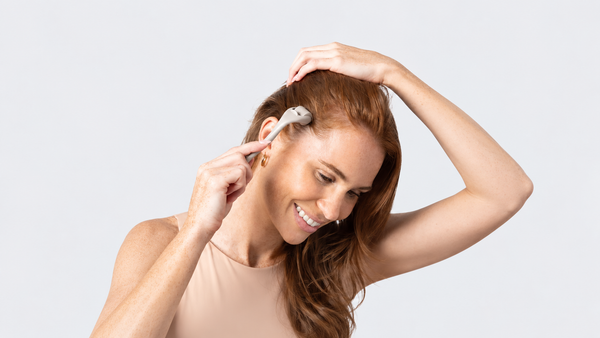
The same idea applies above the shoulders. Scalp brushing runs on identical principles, circulation plus mechanical cleanup, which is why a Scalp Renewal Brush shows up in the same routines. Our body and scalp exfoliation collection groups these tools by where they work.
When to Skip Dry Brushing
Some skin should sit this one out, at least for now. Skip brushing entirely if you have eczema, psoriasis, active dermatitis, or any condition that makes your skin reactive, since the friction can aggravate all of them.
The same goes for open wounds, cuts, sunburn, infections, and inflamed or broken skin. Brushing over any of them risks turning a small problem into a bigger one. Severe varicose veins, very thin or fragile skin, and areas recovering from recent cosmetic procedures belong on the skip list too.
If you have lymphedema or swelling after surgery that involved your lymph nodes, talk to your care team before starting any brushing habit. Managing that kind of swelling is clinical work done with a trained therapist, and even small skin injuries in affected areas can lead to complications.
For everyone else, the realistic downside of overdoing it is irritation, micro-abrasions, breakouts, and a disrupted skin barrier. All four are avoidable with light pressure and rest days, and none of them are a reason to quit a habit your skin otherwise likes.
Keep the Ritual, Skip the Myths
Dry brushing delivers exactly what a good physical exfoliant should: smoother texture, softer skin, better lotion and self-tanner absorption, and a 5-minute pre-shower ritual that wakes you up. Expect that, and the habit pays off every week.
Start at your feet, brush toward your heart with light pressure, shower, and moisturize on damp skin. Give your skin rest days, keep the brush clean, and replace it when the bristles give out. That's the whole practice, and it's enough.